Deploy Software via Group Policy (GPO)
Introduction
Deploy Software via Group Policy (GPO) is a method used in Windows Active Directory (AD) environments to automatically install, update, or remove software on computers or for users centrally and silently, without manual installation on each machine. It’s mainly handled by Group Policy Objects (GPOs) through Microsoft Installer (MSI) packages.
Open the Windows Server Device:
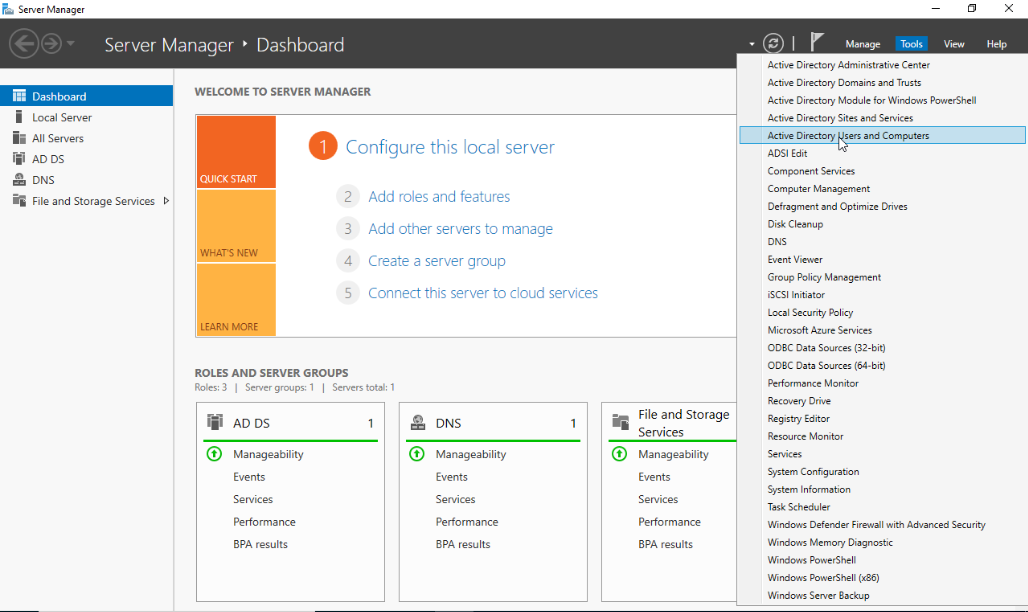
- Open Server Manager click Tools on the upper right side and choose the Active Directory Users and Computers.
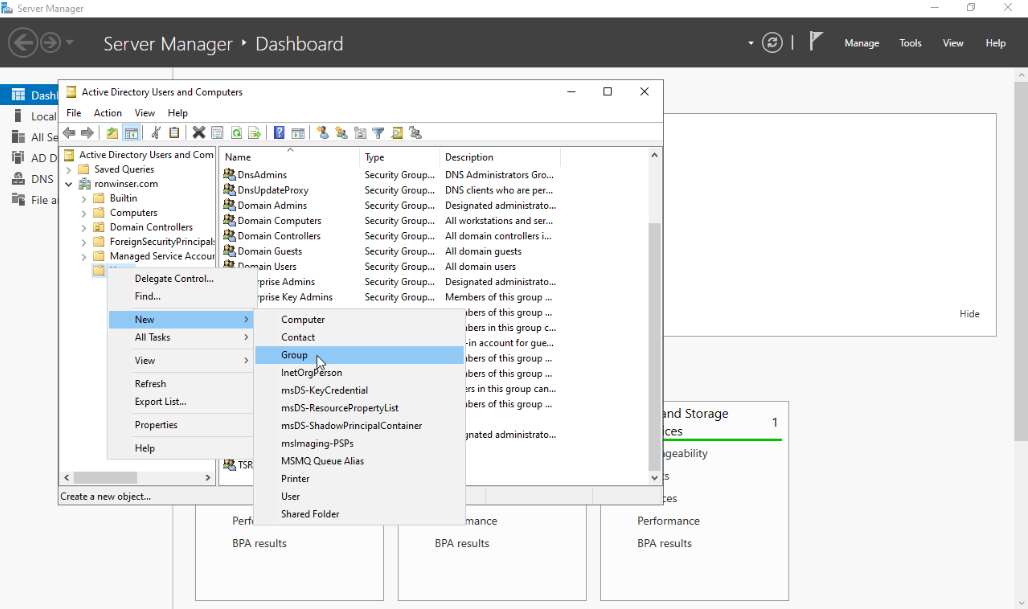
- On the Active Directory Users and Computers right click the Users folder select New and
Computer.Group.
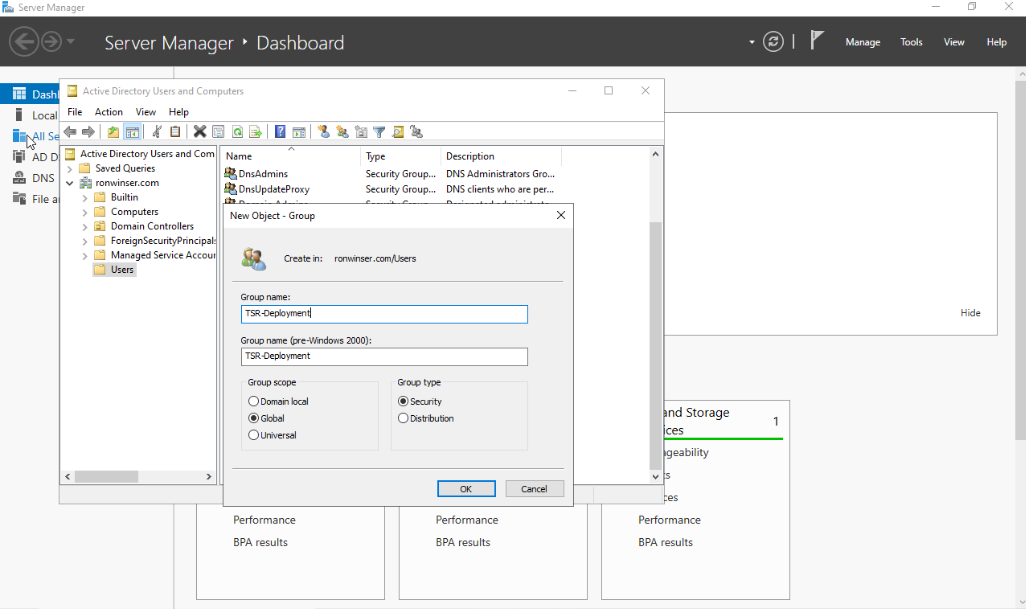
After you clicked the Computer, New Object - Computer window displayed.
- Input your desired Computer Name: TSR-Deployment
- Group scope: Global
- Group type: Security
Click "OK" once done and you will see the TSR-Deployment added on the Active Directory Users and Computers.
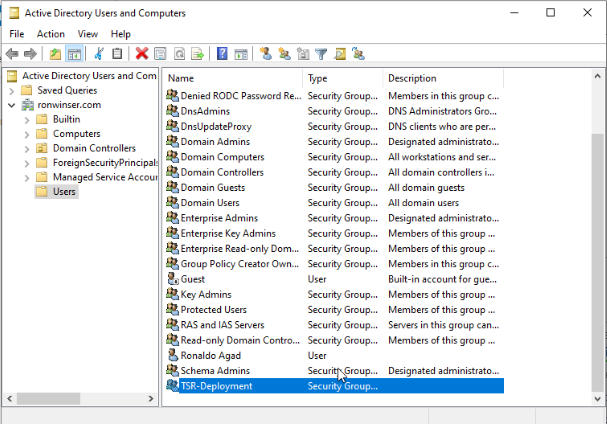
- Next Process double click the TSR-Deployment on the Active Directory
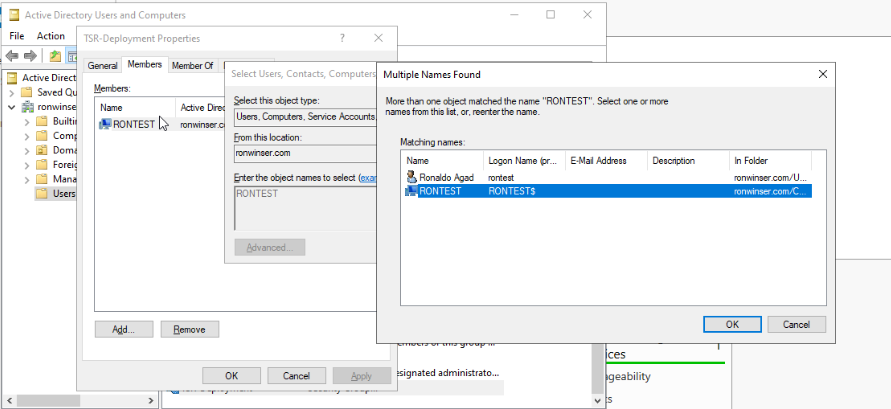
UsesUsers and Computers, TSR-Deployment Properties will appear and click the Members tab.
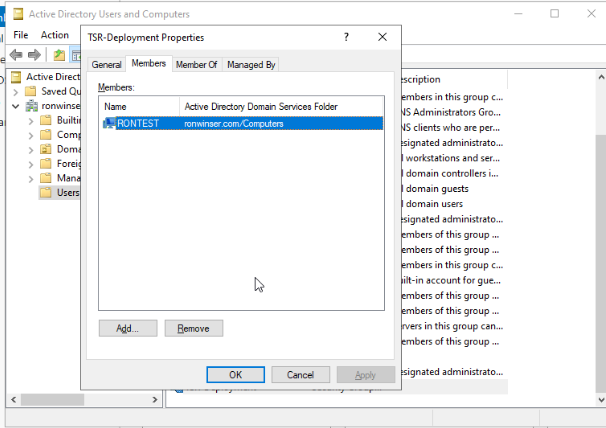
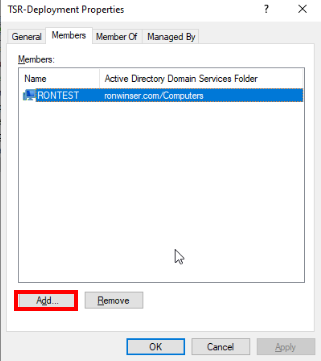
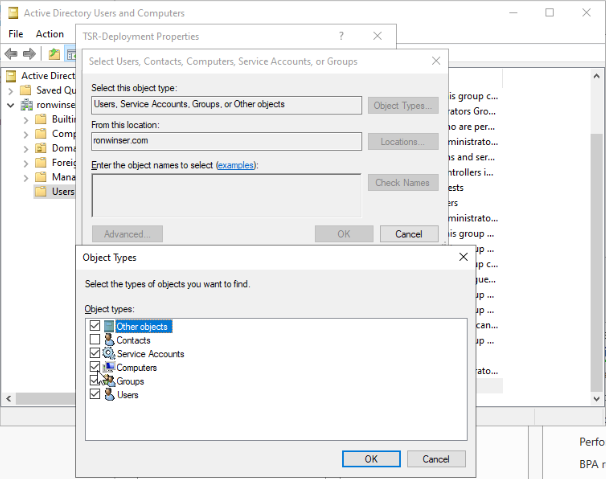
- Click
the "Add",button,then selectthe "Object Types".onceOnce itopensopens, check theComputerComputers.
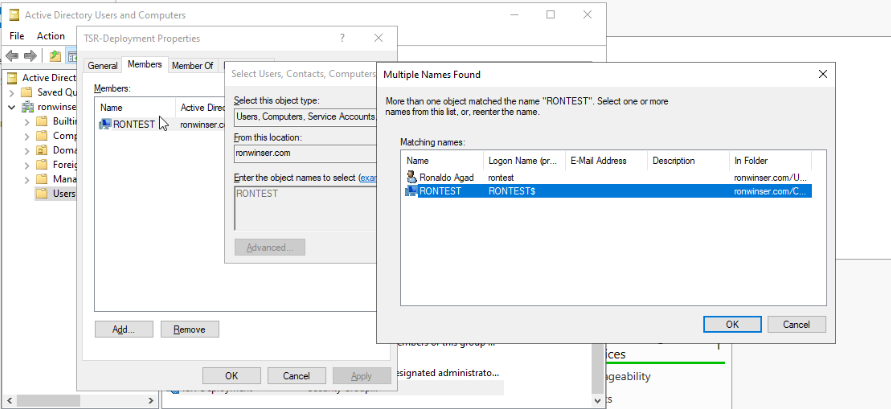
- Type
yourthe computer name that is connected to thedomain,domain.after thatThen, clicktheCheck Names andchooseselect only the"Computer"iconwhichthatiscorresponds to yourcomputerdevice.
Creating a UNC Path for Software Folders (Windows Server)
To ensure domain-joined computers can access the AQUILA EDR ZIP file package and folder for centralizing logs, create a shared network folder and configure appropriate permissions.
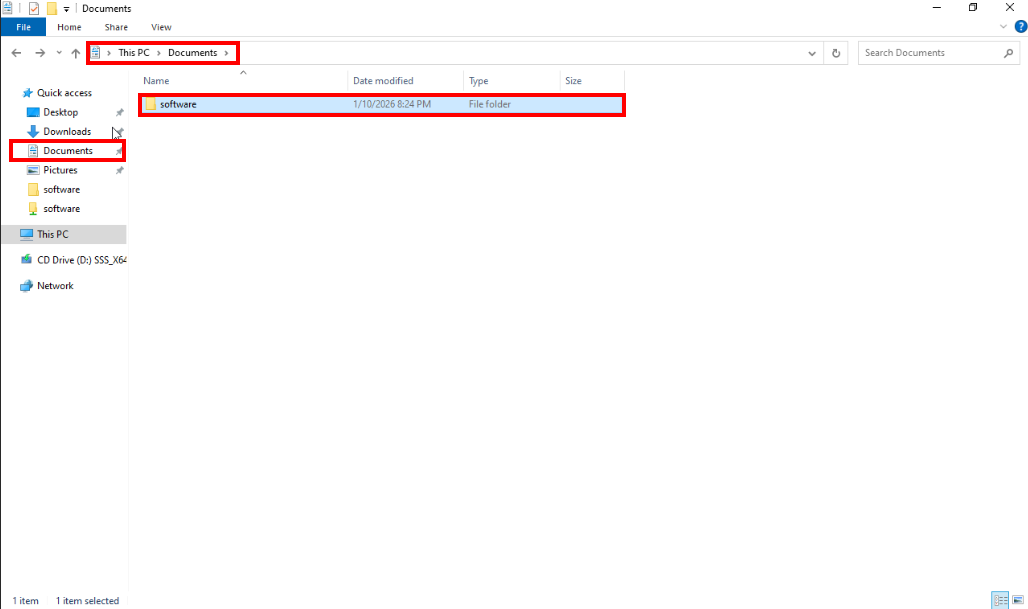
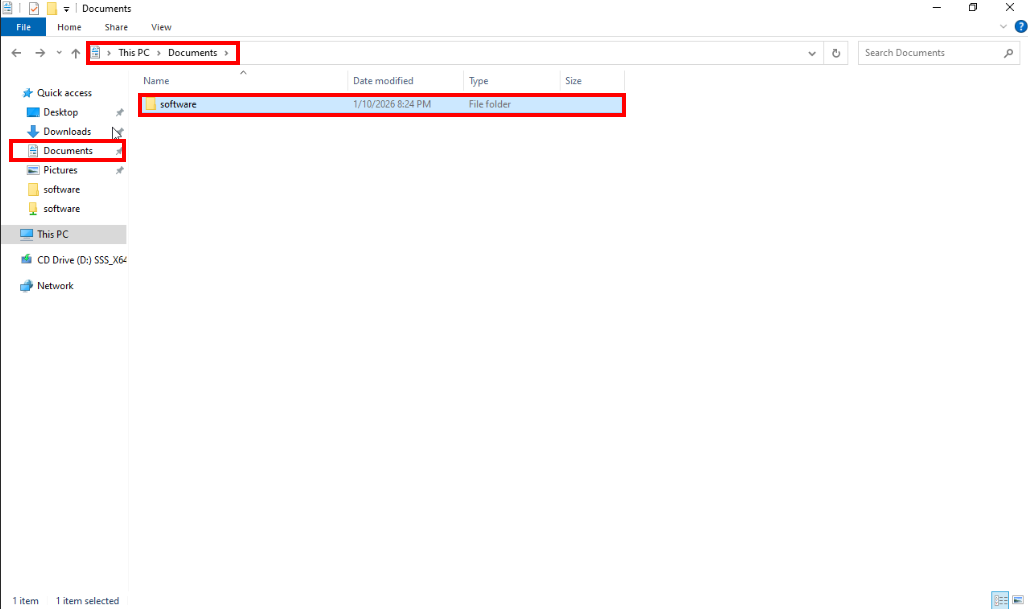
- On a Document folder, create another folder inside of it with your desired name (e.g., software).
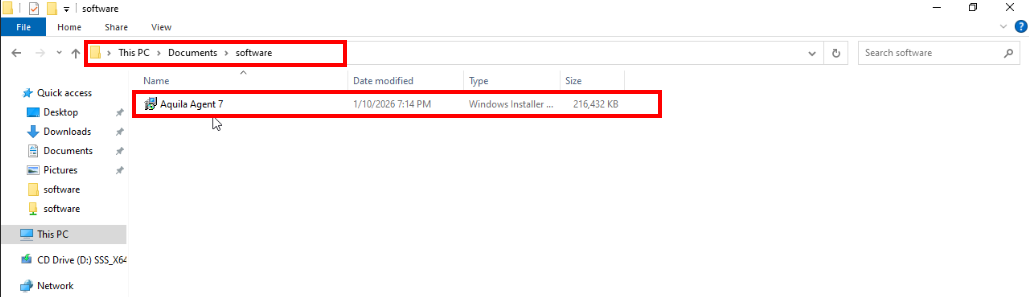
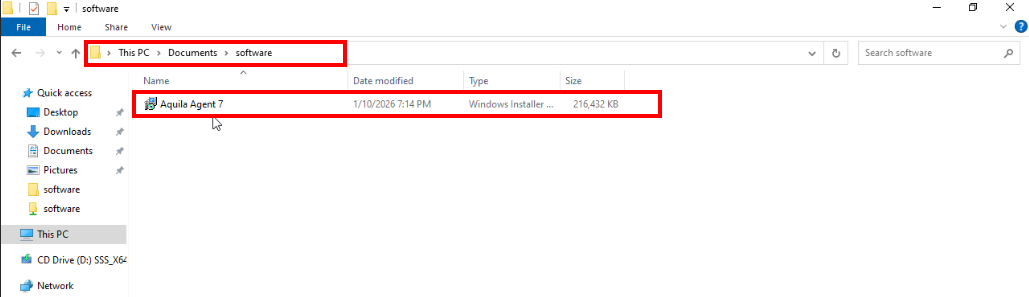
- Inside of the software folder, place the
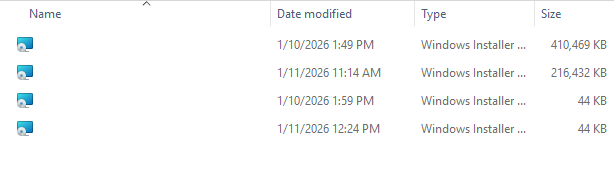
aquila agent 7.msiinto this folder.
- Inside of the software folder, place the
- Enable Folder Sharing
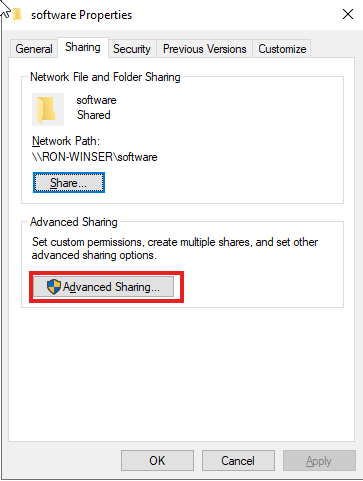
- Right-click the software folder and select Properties.
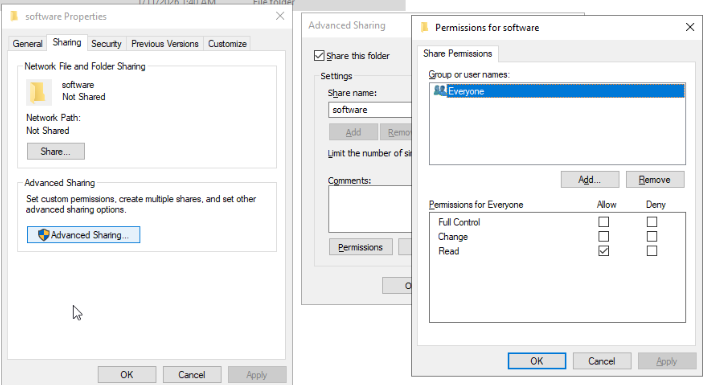
- Navigate to the Sharing tab and click Advanced Sharing.
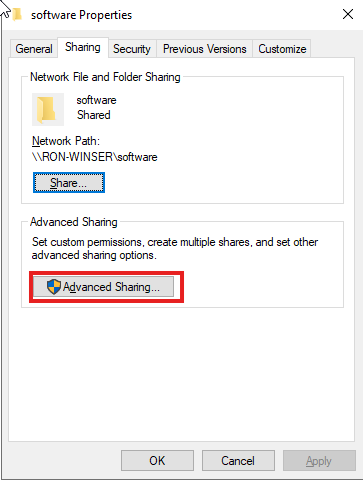
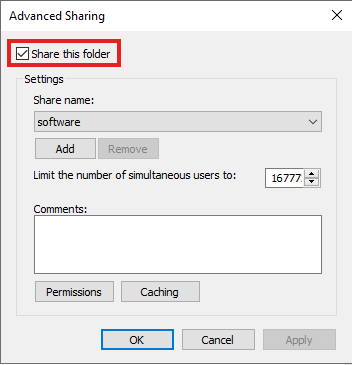
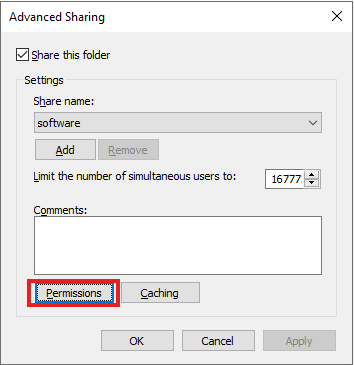
- Check the box Share this folder.
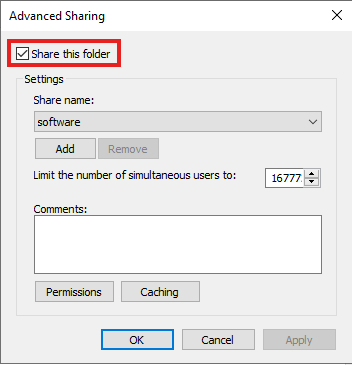
- Set Permissions
- Click Permissions
-
Grant the Read permission to
Domain Computers. -
Grant the Full Control permission to
Domain Admins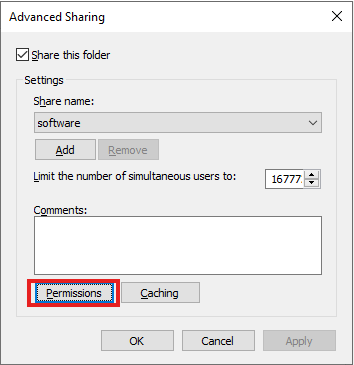
- Once the Permission clicked, Permissions for software will be shown.
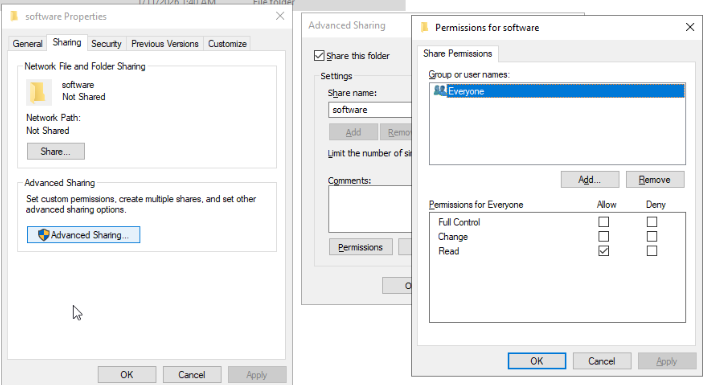
- Remove the Everyone.
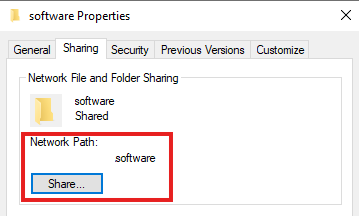
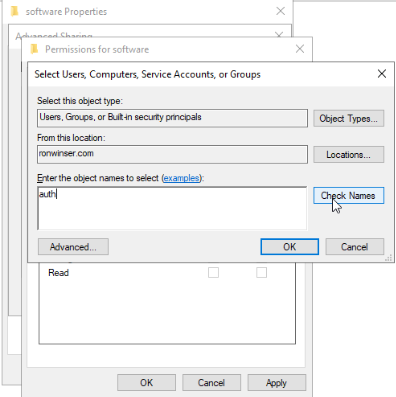
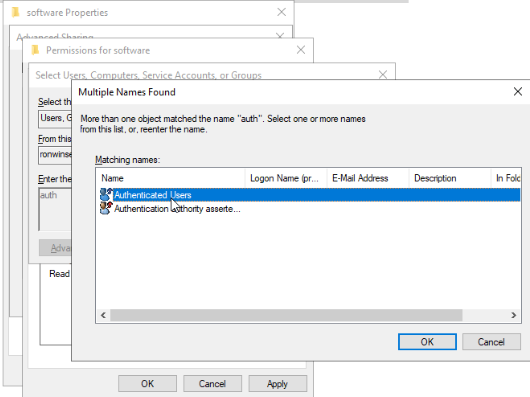
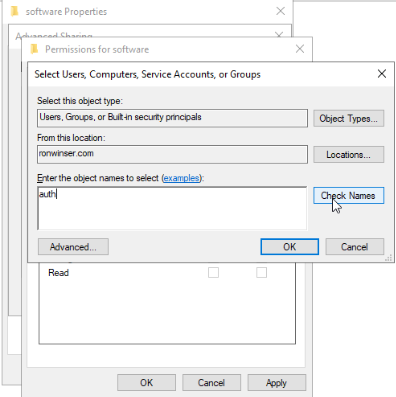
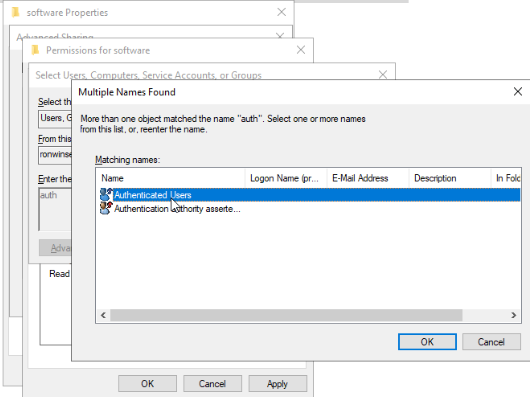
- After clicking the Remove, click the Add, the Select Users, Computers, Service Accounts, or Group will be shown. Type "auth" then click Check Names. the Multiple Names Found will be shown and select the Authenticated Users and click OK.
- Open the shared folder on the User domain logged in.
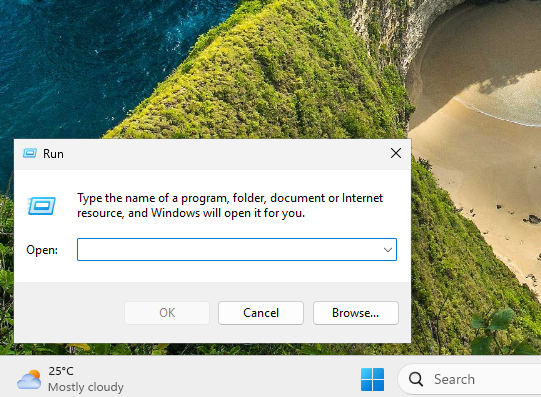
- Use windows + R or search run on the windows search
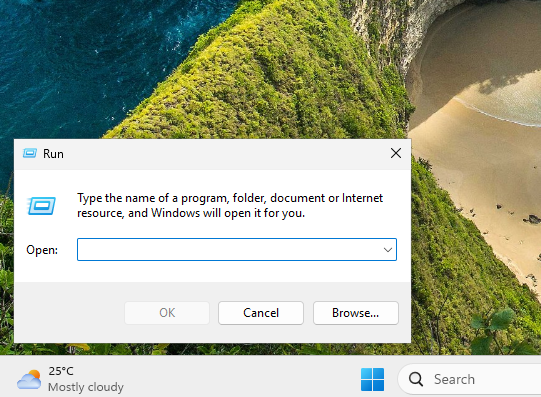
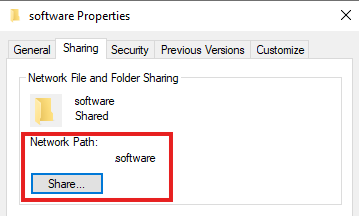
- Type the Shared Folder path, e.g. (\\ServerPath)
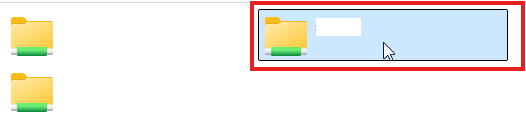
- Open the specified folder where the software are inputted
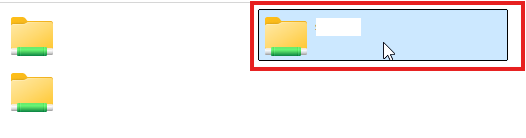
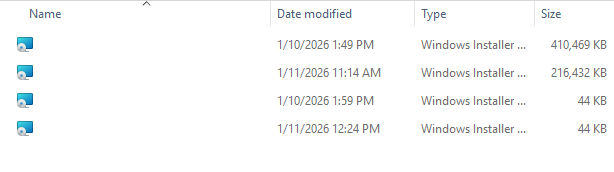
- Open the specified folder where the software are inputted
- Use windows + R or search run on the windows search